Vitamin D3 Liquid Drops
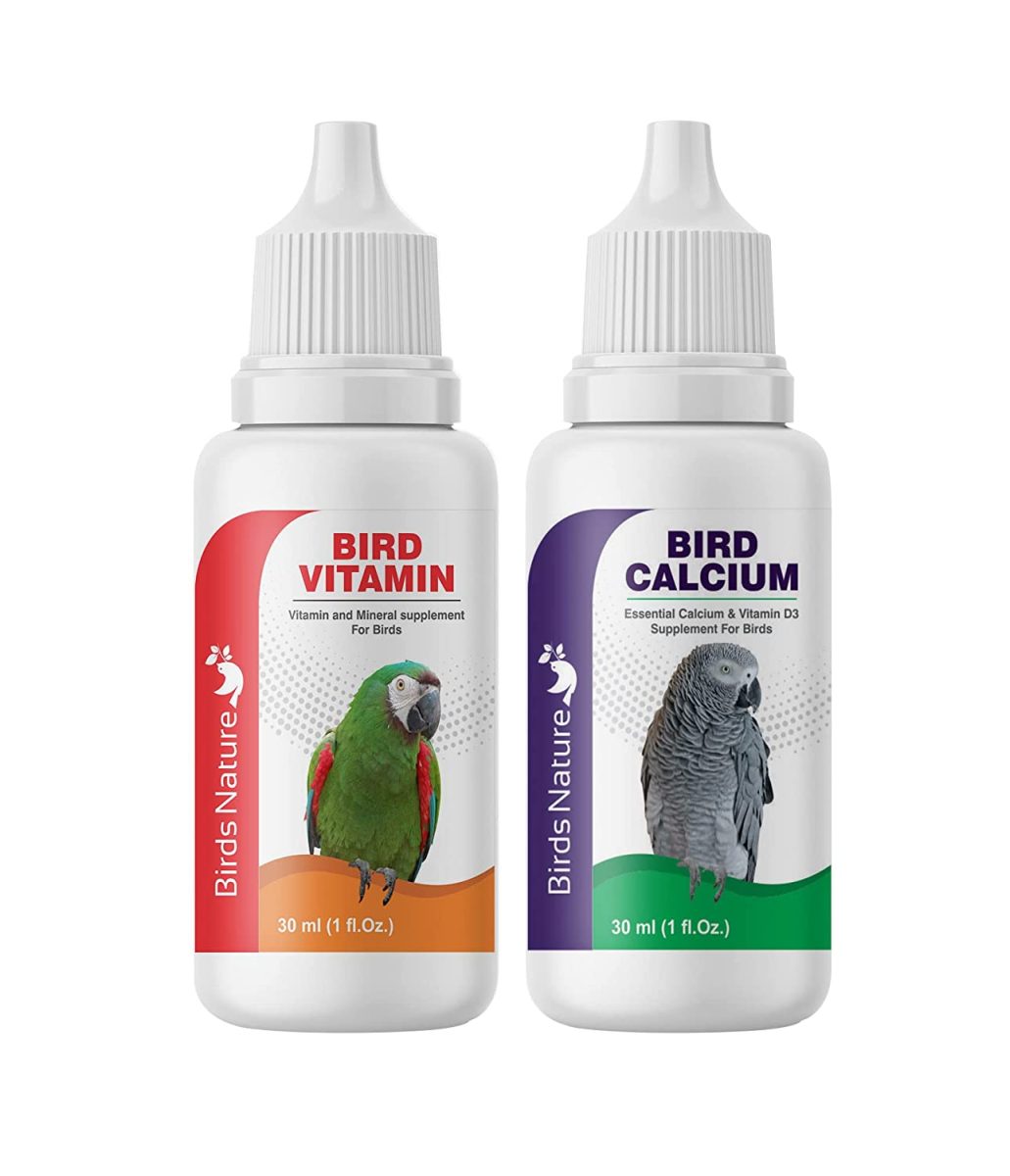
Product Overview & Description
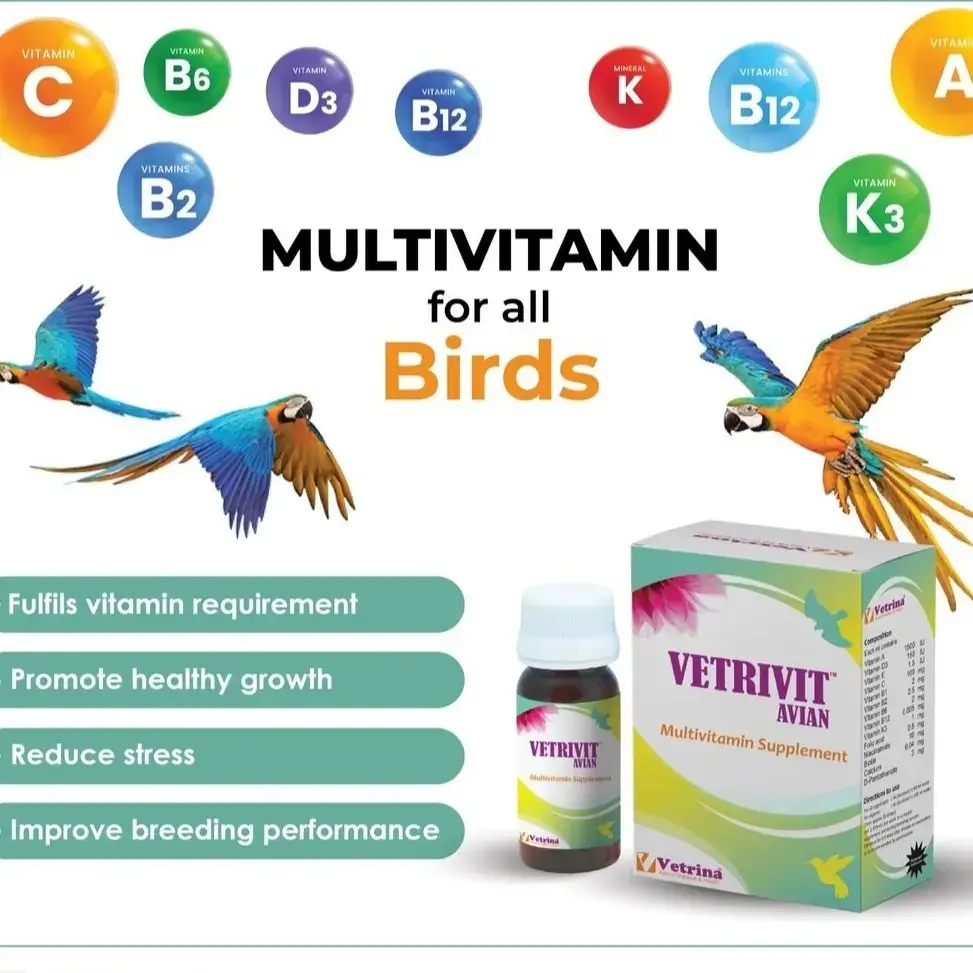
Liquid Vitamin D3 & Bio-Calcium Drops provide essential, highly bioavailable cholecalciferol (Vitamin D3) and calcium glubionate for companion birds kept indoors without direct unfiltered sunlight. Window glass blocks nearly all of the UVB light birds need to make their own vitamin D3, so indoor birds depend on vitamin D3 in their diet or on suitable UVB lighting. Birds on a D3-fortified pelleted diet usually do not need extra D3; use these drops only for birds on low-D3 diets, ideally after discussing it with an avian vet, because vitamin D3 overdose can cause fatal kidney calcification.
Technical Specifications & Materials
The Window Glass UVB Filtration Paradox
Placing a bird cage next to a sunny window does not supply vitamin D. Standard architectural window glass blocks 100% of UVB light (290-315nm) necessary to convert 7-dehydrocholesterol into active pre-vitamin D3 in the preen gland and skin. Without UVB exposure, birds depend entirely on vitamin D3 from their diet; most formulated pellets already contain it, while seed-based diets are low in it.
African Grey Hypocalcemia Prevention
Congo and Timneh African Greys exhibit a uniquely high metabolic requirement for vitamin D3-mediated calcium transport. Chronic D3 deficiency leads directly to hypocalcemic tetany, falling off perches, and severe seizures. Seizures, tremors or falling off perches are an emergency requiring an avian vet. A diet with adequate calcium and vitamin D3, or suitable UVB lighting, helps prevent the condition; discuss supplementation with your vet.
Safe Calibration & Avoiding Toxicity
Fat-soluble vitamins must be dosed accurately. The dropper allows drop-by-drop dosing, but overdose is still possible, especially if the bird also eats D3-fortified pellets or receives other supplements. Hypervitaminosis D causes kidney damage and soft-tissue calcification; macaws are particularly sensitive.
Breeding & Eggshell Integrity
Discuss calcium and vitamin D3 supplementation for breeding hens with your avian vet before the breeding season. Egg binding is an emergency: a hen that strains, fluffs up or sits on the cage floor needs a vet immediately.
Questions buyers ask about this item
Always follow the recommended dosage (2 drops per 100ml water, 2 to 3 times weekly). Never exceed recommended guidelines because Vitamin D3 is fat-soluble and accumulates. Do not combine with multivitamins or pellets that already contain D3 without your vet's advice; increased thirst, excessive urination, weakness or loss of appetite can be signs of overdose.
Usually not. A bird with suitable avian UVB lighting (correct distance, lamp replaced as the manufacturer recommends) and a D3-fortified diet generally does not need D3 drops. Ask your avian vet before combining them.
Yes, they are completely water-soluble and mix invisibly into fruit juice, puree, or moist soft food.
Related reading & species guides
All Supplements · Pet bird supplies hub · Parrot care equipment · Macaw cage guide · Cage & aviary setup guide · Parrot nutrition guide · Safe woods & household hazards · Recognising illness in parrots · Available parrots